

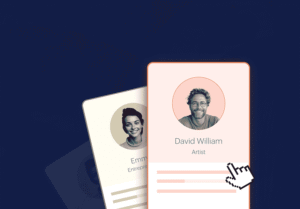
You want your company to expand. You produce a fantastic product. You provide a good service. The phone isn’t ringing, though. Your website has the atmosphere of a deserted target audience, silent business.
Thus, you put in more effort. You make more posts. On social media, you yell more loudly. You pay money on advertisements that simply vanish. Do you know how tired it feels? It’s like throwing your message into a tempest in the hopes that someone would see it.
I have a secret for you. You are conversing with the wrong people.
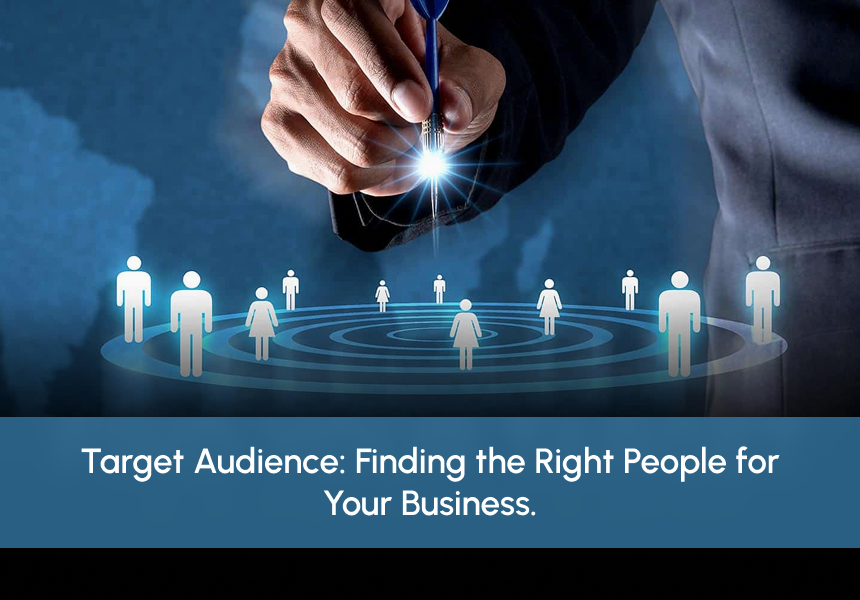
Shouting louder is not the solution. It’s speaking to the proper individuals in a more intelligent and gentle manner. It involves identifying your target audience. This goes beyond marketing lingo. Ads are effective. Your content resonates. Now people pay attention.
What Audience Really Is (Without the Jargon)
Forget the textbook definition. Let’s keep it human.
Your target audience is your perfect-fit crowd. They’re the group of people who need what you have. They want your solution. What you say will genuinely matter to them.
Think of it as follows:
Your target market isn’t “everyone who carries a bag” if you sell handmade vegan leather bags. That is the entire group. You’re shouting into that storm.
Your targeted customer is different. She’s maybe 28-45. She cares about sustainable fashion. She values craftsmanship over fast fashion logos. She shops online and follows ethical designers on Instagram.
See the difference? One is a vague crowd. The other is a person you can picture. That’s your marketing audience.
Why Finding the Right Audience Changes Everything
This is where it gets good. Finding your people changes everything.
- Your Message Finally Makes Sense. You stop using generic words like “high-quality.” You speak directly to their problems. For the vegan bag shopper, you talk about “clean, ethical craftsmanship” and “a bag that tells a better story.”
- Your Money Stops Vanishing. Advertising becomes an investment rather than an expense. You show your bags to people who are interested in sustainable living, particular eco-brands, and vegan lifestyle blogs rather than to everyone on Facebook. Your click costs drop. Your sales go up.
- You Build Real Fans, Not Just Followers. When you solve a specific person’s specific problem, they don’t just buy it once. They come back. They tell their friends. They become your loudest supporters.
So, how do you find these perfect people? Let’s get practical.
A Simple, Practical Way to Find Your People
You don’t need a fancy degree for this. You just need to look and listen.
1. Start With the People Who Already Support You
This is your best clue. Check your current customers. Who buys from you the most? Who gives you glowing reviews? Look at your social media followers. Who comments and shares your stuff? Your target audience already includes these individuals. What is the connection between them? Their age? Their job? Their hobbies? Write it down.
2. Pay Attention to the Words They Use
Go online. Don’t sell. Simply pay attention. Look for forums, Facebook groups, and conversations where your ideal customers are present. What are their big problems? What words do they use to describe their headaches? This is pure gold. This is the language you need to use in your own website and ads.
3. Focus on One Real Problem at a Time
Trying to please everyone is a major error. Yoga studios may claim to be for “health and wellness.” That’s too broad. Are they for stressed-out office workers? For new moms wanting to get back in shape? For seniors improving flexibility? Each group has a different core problem. Pick one to start with. Speak directly to them.
A Quick Target Market Example to Make It Clear
- Business: An independent graphic designer.
- Too Broad (The Crowd): “Small businesses that need design.”
- “First-time founders of eco-friendly product startups” is the ideal target market. They are overwhelmed but passionate. They need a brand identity that looks professional and tells their planet-friendly story fast. They hang out in indie-maker forums on Discord.”
The second one feels like a real person you can help, doesn’t it?
What to Do After You Know Who You’re Talking To
Knowing your audience is step one. Talking to them is step two.
- Go Where They Are. Be on TikTok if your ideal clients are there. Try to be highlighted in industry newsletters if they read them. Just because a platform is popular doesn’t mean you should spend time on it.
- Create Content Just For Them. Write a blog post that answers their biggest question. Make a short video that solves a tiny, specific frustration. Use the exact words you heard them use online.
- Your Offer Should Feel Tailored. Does your targeted customer hate long contracts? Offer a simple, one-page project package. Do they value community? Create a small client group where they can connect. Make your service feel like it was made just for them.
The Common Mistake Businesses Make (And How to Avoid It)
People think finding a target audience means boxing themselves in. They worry, “What if I miss a customer?”
Let’s be honest. Talking to no one in particular is already costing you customers. A clear, concise message draws in the ideal clients and leaves a lasting impression on your company. Inappropriate individuals will filter themselves out. And that’s okay. It saves you time and money.
It’s better to be the favorite brand for a specific group than a forgotten option for everyone.
Start the Conversation With the Right People
Finding your target audience is a daily conversation. You learn. You tweak your message. You serve them better. Start small. Look at your three best customers right now. What’s their story?
When you talk to your person, not the crowd, everything changes. Your work has meaning. Your marketing is easier. You build a real community.
Ready to shift? Knowing who you’re speaking to is the first step. A guide can assist if it seems overwhelming. Digital marketing services can fast-track this. They spot patterns you might miss.
But the real magic starts with you. Ask one question: “Who is this really for?” Your perfect-fit crowd is waiting to listen.
Conclusion
Your business needs a true connection, not just noise. Finding your precise target audience is how you make that happen. Start the conversation with them today, and build the community that will help you grow.
Frequently Asked Questions (FAQ’s)
What’s a target market example?
An example is “new parents looking for eco-friendly baby clothes.”
How do I find my target audience?
Look at who already buys from you and loves what you do.
What’s the difference between a target market and an audience?
They’re basically the same thing as your ideal customer group.
Can my target audience change?
Yes, it should change as your business and customer needs grow.
How specific should my target audience be?
Very specific. Think “yoga teachers in Austin,” not just “people who exercise.”