



Most people hate ads. Not because advertising itself is bad. Because most ads interrupt everything. You open a website and instantly get hit with:
- Pop-ups
- Autoplay Videos
- Banners Covering The Screen
- “BUY NOW” messages before you even finish reading
That’s exactly why native advertising became so popular.
Good native ads don’t feel forced. They fit naturally into the platform people are already enjoying. Sometimes readers don’t even realize they’re looking at sponsored content until halfway through and honestly, that’s kind of the point.
But here’s the important part. The best native ads still provide real value.
- They entertain.
- They educate.
- They tell stories people actually care about.
That’s why some campaigns end up getting millions of views while others feel painfully obvious and get ignored immediately.
Here are some of the native advertising examples that brands have produced over the years and why native ads succeeded and what native ads are still teaching us in 2026.
What Is Native Advertising?
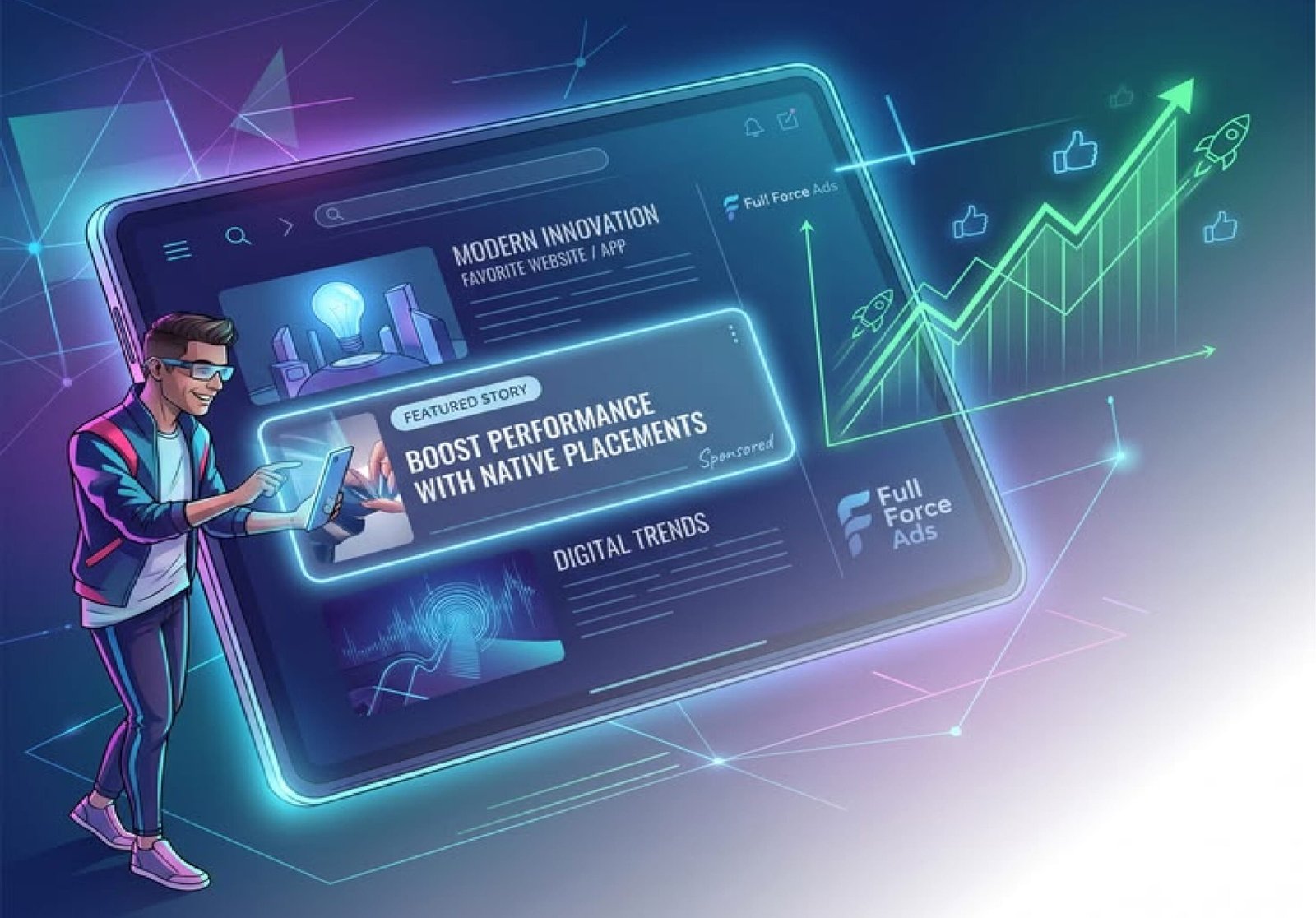
Let’s first discuss the basics before reviewing a few examples. In essence native advertising definition simply is, it is a type of sponsored post designed to seamlessly fit into the website or platform where it’s appearing.
It doesn’t interrupt the experience, but it’s incorporated. The reason native ads are often found as:
- Sponsored Articles
- Recommended Posts
- In-Feed Social Media Content
- Branded Videos
- Promoted Stories
The intent is to engage, rather than to interfere.
Why Native Advertising Works So Well
In my completely unbiased opinion, individuals are better at ignoring ads than they’ve ever been before. Banner blindness really is a thing.
With the majority of Internet users, you can assume that they simply overlook anything that seems overtly promotional. The reason for the effectiveness of native ads is that they do not immediately outcry “advertisement.”
HubSpot data shows that native content is always more successful than display ads at engaging readers and earning their trust.
In 2026 when authenticity is more important, stories are more important.
1. Netflix & The New York Times (Women Inmates)
This is probably one of the most famous native ads example campaigns ever created.
Netflix teamed up with The New York Times to produce a long-form piece about female prisoners in the United States, as part of a marketing campaign to promote Orange Is the New Black.
And honestly? It was not very much a promotion.
The article included:
- Interviews
- Statistics
- Personal Stories
- Prison System Insights
It took Netflix awhile to learn that something was happening here. Everyone does not like “watch our show”. They are interested in significant stories.
Why It Worked
The campaign aligned perfectly with the show’s themes while still delivering genuine journalistic value.
2. Allbirds & The New York Times
Allbirds created a sponsored article about birds, climate change, and sustainability. Smart move already considering the company literally has “birds” in its name.
But they didn’t focus on product ads instead they shifted towards environmental storytelling. The images, graphics and audio were a nice addition as they made the article feel like a more immersive experience than an advertisement.
Why It Worked
The campaign connected naturally with Allbirds’ sustainability-focused brand identity.
3. Land Rover’s Dragon Challenge
This one felt more like an action movie than an ad.
Land Rover documented a Range Rover climbing the dangerous 999 steps leading to Heaven’s Gate in China.
The campaign was dramatic, cinematic, and honestly stressful to watch in the best way possible.
But it perfectly communicated:
- Power
- Adventure
- Durability
- Confidence
Without constantly talking about horsepower specs.
Why It Worked
It sold the feeling of the brand instead of technical details. That’s smart marketing.
4. Mercedes-Benz in The Washington Post
Mercedes created an interactive sponsored story around “superhuman technology.”
The article explored:
- Robotic exoskeletons
- VR medical innovation
- Advanced driving technology
Then of course, it was a matter of pairing those future-futuristic concepts with Mercedes’ intelligent driving systems. It was not random, as the theme matched.
Why It Worked
The placement ensured that Mercedes would be perceived as an innovator, rather than another luxury car manufacturer.
5. Spotify Wrapped
In fact, this is a combination of native marketing and social sharing strategy. However, it should be noted, as it turned into one of the wittiest campaigns ever.
Spotify Wrapped provides users with a customized yearly listen summary, which users are free to publish on the web.
Every December, social media gets flooded with free Spotify promotion. And users genuinely enjoy participating.
Why It Worked
People became part of the campaign themselves. That’s incredibly powerful.
6. Samsung’s TikTok Campaign
Samsung used TikTok hashtag challenges to launch devices like the Galaxy Z Fold series.
Instead of polished commercials, creators made:
- Dances
- Reactions
- Short Skits
- Transitions
It was more like a true piece of TikTok flair than business advertising. According to the reports, the campaign had more than one billion views worldwide due to the efforts of the creators.
Why It Worked
Rather than pushing traditional ads into TikTok, Samsung has tailored its platform to suit the platform’s nature.
7. Orbit Gum & CollegeHumor
CollegeHumor collaborated with Orbit to make hilarious videos about dating. The content aligned with the humor tone audiences already had the platform, in their mind.
And because the product naturally fit awkward social situations, the branding felt believable.
Why It Worked
Humor lowers resistance to advertising. Especially when it feels authentic.
8. KPMG on Forbes
KPMG’s “The Great Rewrite” campaign focused on how industries were changing through innovation and technology.
Instead of selling accounting services directly, KPMG positioned itself as a thought leader. The campaign included:
- Videos
- Reports
- Future Trend Analysis
- Interactive Content
Why It Worked
It built authority instead of chasing immediate conversions. That works especially well in B2B marketing.
9. Business Insider’s Colored Corn Story
This story about rainbow-colored Glass Gem Corn became wildly popular online. It looked exactly like a normal Business Insider feature. But it subtly promoted the seed supplier connected to the product story.
Why It Worked
The content itself was fascinating enough to stand on its own. That’s the sweet spot for native advertising.
10. Eni Energy on CNN
Energy company Eni partnered with CNN for a campaign focused on sustainability and community farming projects in Nigeria.
The experience included:
- Video
- Audio
- Animations
- Storytelling
- Personal Interviews
The campaign looked more like a documentary than an oil company advertisement.
Why It Worked
It shifted audience perception by focusing on human impact stories.
11. TikTok Creator Product Reviews
This format exploded in 2025 and became even bigger in 2026. Now brands regularly partner with creators for:
- “Get ready with me” videos
- Productivity Setups
- Tech Reviews
- Daily Routines
The best part? Most don’t even feel like ads anymore because creators integrate products naturally into their usual content style.
Why It Worked
People trust creators more than polished corporate campaigns. Especially Gen Z audiences.
What Makes Native Advertising Actually Successful?
After looking at all these examples, some patterns become obvious. The best native campaigns usually share three things.
1. They Match the Platform
Good native ads feel natural inside the environment where they appear.
- TikTok content should feel like TikTok.
- LinkedIn content should feel professional.
- YouTube integrations should feel conversational.
Forcing the wrong style onto the wrong platform rarely works.
2. They Focus on Storytelling First
In most of the examples above, the products are barely pushed directly? That’s intentional. When writing good native advertising, the main things to keep in mind are:
- Storytelling
- Emotion
- Curiosity
- Entertainment
The brand becomes part of the experience instead of interrupting it.
3. They Provide Actual Value
The best campaigns educate, amuse, inspire or otherwise benefit people in some way. This is the reason why they attract voluntary attention from the audience. But that’s the end of digital advertising as a whole, in reality.
Native Advertising vs Content Marketing
These two are easily mixed up. This is the most basic of explanations:
- Content marketing lives on your own platforms.
- Native advertising distributes branded content through third-party platforms.
So a blog on your company website is content marketing. A sponsored article published on Forbes or The New York Times is native advertising. Both matter.
But native campaigns help brands reach audiences they don’t already own.
To Summarize
The biggest lesson from these native advertising examples? People don’t hate advertising. They hate bad advertising.
Audiences are engaged in a campaign when they feel it has served a purpose, is entertaining, is emotional, and is interesting. That is why native advertising stands out as a trend that will keep evolving in 2026 as the traditional banner ad has become less effective.
The brands that are winning right now are getting that message across—attention is earned now. Not forced.
But if businesses need assistance developing more effective digital campaigns, marketing strategies or branded online experiences, Cognitive IT Solutions also offers customized digital and Digital Marketing Services for contemporary brands.
Frequently Asked Questions (FAQs)
Which is an example of native advertising?
In case you didn’t already know it, a sponsored article for The New York Times in The New York Times, authored by Netflix and set to promote Orange Is the New Black, is a popular instance of native advertising that integrated seamlessly with editorial content.
What are the 12 types of advertisements?
The following are examples of types of advertising:
- Display ads
- Native ads
- Social media ads
- Search ads
- Video ads
- Influencer marketing
- Email marketing
- Print ads
- TV ads
- Radio ads
- Outdoor ads
- Mobile ads
What are the 15 most powerful words in advertising?
Some powerful advertising words are:
- Free
- New
- Proven
- Easy
- Exclusive
- Guaranteed
- Limited
- Instant
- Save
- Results
- Best
- Simple
- Now
- Powerful
- You
What are the types of native advertising?
The main types include:
- Sponsored articles
- In-feed social ads
- Recommended content widgets
- Branded videos
- Influencer collaborations
- Search ads
- Promoted listings