
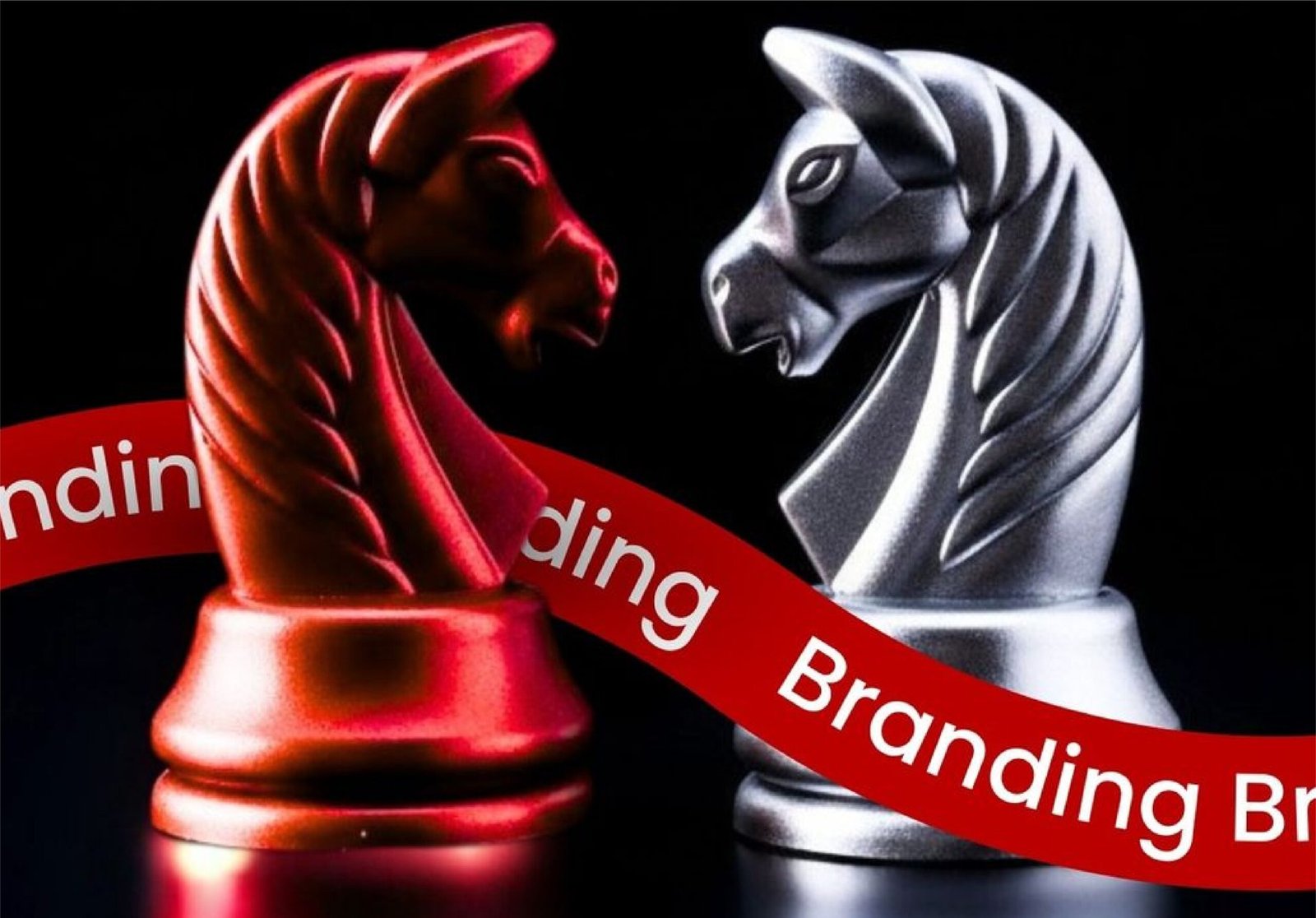





I shall begin with something easy. Think of your favorite brand. Now imagine its logo in a completely different color… or its tone suddenly sounding not human…or its visuals looking random.
Feels off, right? That’s because strong brands aren’t built on just one thing. They’re built on multiple brand elements working together consistently.
And once you notice them, you’ll see them everywhere. From logos to colors to the way a brand talks… everything is intentional.
In this guide therefore, we are going to deconstruct what are brand elements, their importance, and how companies actually apply them to make themselves stand out in 2026.
What Are Brand Elements?
In simple words: Brand elements are the building blocks of your brand identity.
They are the visual, verbal and emotional elements that will make people know and remember your brand.
These include things like:
- your logo
- colors
- typography
- tone of voice
- visuals
- messaging
The combination of these branding elements makes a coherent image in the minds of your audience.
Think of it like this:
- Your brand is a person
- Brand elements are its personality, voice, and style
And if any one of those feels off… people notice immediately.
Why Brand Elements Matter More Than Ever
Let’s be real. In 2026, the attention spans are shorter, the competition is greater, and individuals make a decision in seconds on whether they trust a brand.
As a matter of fact, research indicates that users create visual design judgment within several milliseconds. That’s why your elements of branding matter so much.
They help you:
- Build recognition
- Create trust
- Stand out from competitors
- Stay consistent across platforms
And most importantly…
They make your brand feel intentional, not random.
The Core Brand Elements (Broken Down Simply)
Now, let’s get into the actual elements of brand identity that make a brand work.
1. Brand Purpose (Your “Why”)
Before visuals, before design there’s purpose.
-Why does your brand exist?
-What do you stand for?
For example, companies like dog food brand The Farmer’s Dog built their entire brand around one simple idea: caring deeply about pets.
That emotional connection shapes everything else.
Your purpose influences all your brand identity components.
2. Brand Name
Your name is the first thing people remember.
And honestly?
Simple names win.
Easy to pronounce. Easy to recall. Easy to trust.
Nothing mattered as long as people are not able to remember your name.
3. Logo (Your Visual Anchor)
The most recognizable component of your brand is usually your logo. Think:
- Nike swoosh
- Apple logo
- McDonald’s arches
You do not even have to have the name anymore. That is the strength of effective brand components.
The ideal logo must be:
- Simple
- Timeless
- Versatile
Not the in thing one year, but the same every year.
4. Color Scheme
Colors do more than look nice. They trigger emotions. For example:
- Red = energy, urgency
- Blue = trust, stability
- Green = growth, nature
And as soon as people identify one of the colors with your brand. it becomes permanent. Consider the way you identify brands in terms of color alone. That’s not random. That’s strategy.
5. Typography (Fonts Matter More Than You Think)
Fonts unobtrusively influence the way individuals think of your brand.
- Serif fonts → traditional, formal
- Sans-serif → modern, clean
Even distance, size and style are contributory.
It is one of those brand identity components that individuals do not pay attention to. until it becomes unnatural.
6. Visual Style (Images, Graphics, Design)
This encompasses all the visual:
- Photos
- Illustrations
- Design style
- Layouts
Consistency in this case is crucial. As an example, a brand like Burger King uses close-up and food pictures in bold fonts in all platforms.
That’s not accidental. That’s controlled branding.
7. Shapes & Design Language
This is an under-rated one. Shapes communicate subconsciously:
- Circles → friendly, soft
- Squares → stable, reliable
- Triangles → dynamic, bold
These minor design decisions affect the perception of your brand by people.
8. Iconography
Icons could be little. but they put a shine on.
Use the same icons on your website, application or presentations that will make your brand look more professional.
And inconsistency? It renders things to be messy.
9. Brand Voice (How You Sound)
This is huge. The way that you talk to your audience is your brand voice. Are you:
- Formal?
- Friendly?
- Witty?
- Direct?
To illustrate, certain brand names are sounding playful and informal. The rest of them are professional and authoritative. It is all about consistency.
That should be the same tone throughout:
- Website
- Emails
- Social media
10. Slogan or Tagline
Not every brand needs one. However, when it is done well, it becomes permanent. Think:
- “Just Do It”
- “Because You’re Worth It”
Simple. Memorable. Repeatable.
11. Brand Guidelines (The Glue That Holds It Together)
Herein lies the point of linking. Brand guidelines define:
- How to use logos
- Which colors to use
- Tone of voice
- Design rules
Without guidelines? Your brand loses its consistency in a short duration.
How All Brand Elements Work Together
The thing most people fail to understand is that Brand elements do not operate in isolation.
They work together. Your logo, colors, voice, and visuals must align. Because if your tone says “professional” but your visuals say “playful”…
It creates confusion. And puzzled clients do not trust.
Real Talk: What Most Businesses Get Wrong
Let me be honest. Many businesses:
- Focus only on logo
- Ignore voice
- Change styles too often
- Lack consistency
This is why their brand has a weak feeling. Good brands do not simply happen. They are handled on a regular basis.
Where Brand Meets Business Growth
Branding does not simply mean looking good. It directly impacts:
- Conversions
- Trust
- Customer loyalty
This is the reason why a lot of companies are combining branding and Digital Marketing Services to ensure their message, images and strategy are all in line.
And when you are creating a digital product, digital site, or platform, collaborating with a team such as Cognitive IT Solutions can make sure your brand components are not only created but also realized in an appropriate manner in all touchpoints.
In Summary
So, what are brand elements really? They’re not just logos or colors. They’re the system behind how your brand looks, sounds, and feels, and they play a crucial role in shaping a clear and consistent communications plan that ensures every message across channels stays aligned and recognizable.
And when done right? People don’t just recognize your brand. They remember it.
Frequently Asked Questions (FAQs)
What are brand identity elements?
The brand identity elements are visual and verbal elements of a brand such as logo, colors, typography and voice that determine how a brand appears and sounds.
What is the 3 3 3 rule in marketing?
The 3-3-3 rule aims at a concise statement, namely to attain attention within 3 seconds, convey value within 30, and make a memorable impression within 3 minutes.
What are the 5 P’s of brand identity?
The five Ps include: Purpose, Positioning, Personality, Perception, and Promotion combined so as to shape and project your brand.
What are the 7 brand elements?
There are 7 building blocks of the brand: brand name, logo, color palette, typography, imagery, voice, and messaging.