

There have been some changes in marketing over the years. Content can be produced in seconds thanks to AI. Ad platforms can be targeting audiences with an astounding degree of precision. Today businesses have more data about their customers than ever before. But one thing remains the same.
The brands who know their customers best, often win.
This is where a buyer persona comes into play.
If you’ve ever wondered what is a buyer persona, you’re not alone. It is one of the most integral ideas in marketing but many firms neglect to do it, or develop fuzzy, non-specific personas that never get really applied.
The fact is that it is easy. Without knowing who you are talking to, you can’t develop effective marketing. Let’s get into it!
Buyer Persona Definition (In Under 100 Words)
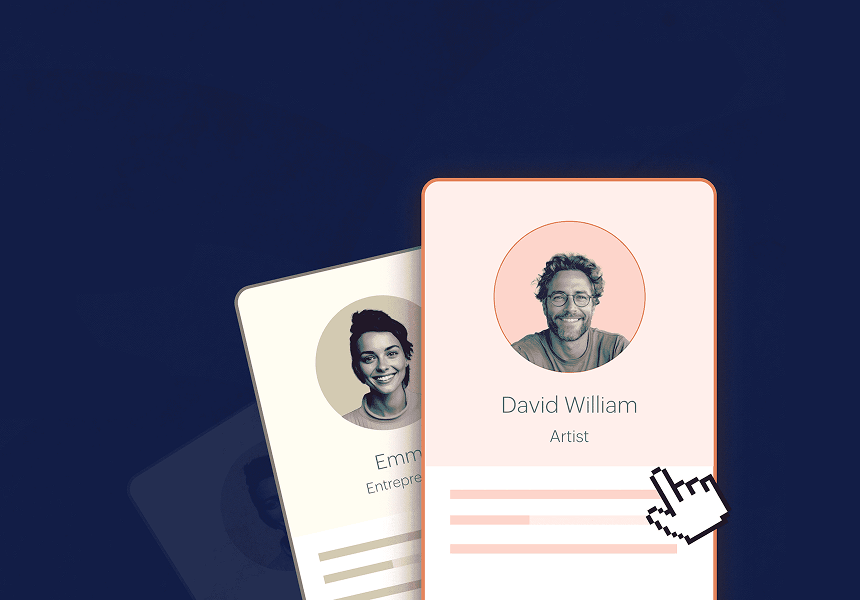
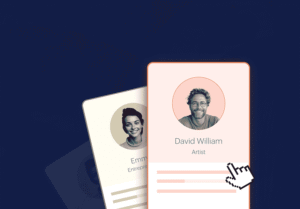
Buyer persona is a fictitious representation of the ideal customer that is created from reality, market research and customer insights. It contains information like age, job roles, objectives, problems, motivations, purchasing habits, communication preferences etc. Buyer personas are used to build more targeted marketing, enhance products, and gain insights into customers’ needs. A properly designed buyer persona assists teams generate messaging that is more individual than impersonal.
That’s the quick definition. Now let’s talk about why it matters.
Why Buyer Personas Matter More Than Ever in 2026
Most businesses fail because of improperly executing the product. They haven’t got the right people to talk to and/or they are using the wrong message, which is why they struggle.
Think about it. A software company selling project management tools shouldn’t market the same way to:
- Startup Founders
- Corporate Executives
- Freelancers
- Marketing Agencies
Audiences are different and their motivations are different, as are their frustrations. When marketing is done without an effective buyer persona, it’s a matter of guesswork.
HubSpot’s Research on Buyers Personas for 2026 reveals that companies that build out customer personas produce more meaningful content, campaigns, and customer experiences.
The result? Better engagement. Better conversions. And usually lower marketing costs.
What Information Should a Buyer Persona Include?
A good persona goes beyond basic demographics. Age alone doesn’t tell you much. For example, Two people can both be 35 years old.
One might be a startup founder looking to scale quickly. The other might be a corporate manager focused on reducing risk. Same age. Completely different buying behaviour.
That’s why effective personas often include:
- Name
- Job Title
- Industry
- Income Level
- Goals
- Challenges
- Buying Motivations
- Preferred Platforms
- Common Objections
- Decision-Making Style
Many marketers even give personas fictional names.
For example:
- Marketing Manager Mia
- Startup Steve
- Ecommerce Emma
This makes it easier for teams to visualize who they’re creating content for.
Real Example of a Buyer Persona
Let’s say a company sells SEO services. Instead of targeting “business owners,” they create a persona called:
Growth-Focused Greg
Profile:
- Age: 38
- Owns A Small Ecommerce Business
- Wants More Organic Traffic
- Has Limited Marketing Budget
- Reads Marketing Blogs Weekly
- Uses LinkedIn And YouTube For Research
Now marketing becomes easier. Instead of writing generic content, the company can create articles specifically addressing Greg’s challenges. That’s the power of a strong buyer persona.
What Is a Negative Buyer Persona?
Most businesses focus on who they want to attract. But sometimes it’s equally important to define who they don’t want. This is called a negative buyer persona.
A negative persona represents people who are unlikely to become profitable customers. For example: A premium consulting firm might identify:
Discount Dave
- Wants The Cheapest Option
- Frequently Asks For Discounts
- Rarely Values Expertise
- Has Unrealistic Expectations
Dave is by no means a bad customer. But he’s not the right guy.
HubSpot points out that developing a negative buyer persona can be a helpful way for companies to not invest marketing dollars in unqualified leads.
It is not always as important to know who you should not target, as it is to know who you should target.
The Biggest Benefits of Creating Buyer Personas
Many businesses see personas as a marketing exercise. They’re much more than that. Good personas improve almost every part of a business.
Better Content Creation
The advantage of one of the biggest is the relevance of content. Understanding your audience will lead to producing content that they care about. You can instead publish random blog posts on:
- Common Problems
- Frequently Asked Questions
- Customer Goals
- Industry Challenges
Relevant content performs better because it speaks directly to the reader.
Stronger Copywriting
Great marketing feels personal. It feels like someone understands your situation. That’s difficult to achieve without a persona.
HubSpot’s research shows that customer-focused messaging often performs better than product-focused messaging because it centers the audience rather than the company.
The difference is huge.
Instead of saying: Our software has advanced automation features.
You say: Save hours every week by automating repetitive tasks.
Same product. Different focus.
Better Team Alignment
Personas aren’t just useful for marketers. They help:
- Sales Teams
- Customer Support Teams
- Product Teams
- Leadership Teams
All of the following understand each other who the customer is. This uniformity will help the organization to make better decisions throughout.
More Personalization Opportunities
One of the top marketing trends for 2026 is personalization. Customers have expectations of buyer personal experiences.
Personalized experiences have a significant positive effect on sales, with 96% of marketers saying so, according to HubSpot’s State of Marketing research.
Personas can help in understanding customer preferences, making personalization easier.
Higher Customer Loyalty
It is essential that you understand your customers and meet their needs so that you can keep them loyal to your brand.
Brands like:
- Spotify
- Netflix
- Amazon
Leverage customer information for targeted recommendations and experiences. The result? Increased engagement and re-purchases. Personas are a great way for businesses to get closer to that understanding of customers.
Where AI Fits Into Buyer Persona Creation
The ways that businesses construct personas are changing as a result of the growing power of AI. What used to be a time-consuming manual process for analyzing thousands of customer interactions can now be done with the help of AI tools that can detect patterns much quicker.
Modern AI can help with:
- Customer Segmentation
- Trend Analysis
- Behavioral Insights
- Audience Research
- Persona Updates
HubSpot reports that 73% of marketers believe AI helps improve productivity. However, AI has limits. AI can analyze data. It cannot fully replace human understanding. If the data is poor, the persona will still be poor.
That’s why the best personas combine:
- Real Customer Research
- Human Insights
- AI-Powered Analysis
Not one or the other.
Best Practices for Creating Buyer Personas
If you’re building your first persona, keep these tips in mind.
Use Real Customer Data
Don’t guess. Use information from:
- Surveys
- CRM Data
- Customer Interviews
- Website Analytics
- Support Tickets
Real data creates accurate personas.
Focus on Goals and Challenges
Demographics are useful. Motivations are better. Ask questions like:
- What does this customer want?
- What problems are they trying to solve?
- What’s stopping them from buying?
Those answers drive stronger marketing.
Update Personas Regularly
Markets change. Technology changes. Customers change. A persona created three years ago may no longer reflect reality. Review personas regularly to keep them accurate.
Create Multiple Personas When Needed
Most businesses have more than one audience. For example:
A software company might target:
- Small Business Owners
- Marketing Managers
- Agency Teams
Each group may require a different persona.
Common Buyer Persona Mistakes
There are a lot of companies that develop personas that are nice to read, but are not useful at all. Avoid these mistakes:
- Creating Personas Based on Assumptions
- Using Only Demographic Data
- Ignoring Customer Feedback
- Never Updating Personas
- Creating Too Many Personas
Start simple. Build from real information. Refine over time.
Why Buyer Personas Still Matter in the AI Era
Some people assume AI has made personas less important. Actually, the opposite is true. AI can generate content quickly.
But if you don’t know who you’re creating content for, you’ll simply produce more irrelevant content faster.
That’s why understanding what is the definition of a buyer persona remains critical.
Technology changes. Human behavior still drives marketing success. The brands that understand their customers best will continue to outperform competitors.
To Summarize
So, what is a buyer persona? It’s a detailed representation of your ideal customer built from real data and customer insights. A strong buyer persona helps businesses:
- Create Better Content
- Improve Personalization
- Align Teams
- Increase Customer Loyalty
- Spend Marketing Budgets More Efficiently
And this is more important than ever in 2026. The idea is the same, whether you are developing your first persona, or making changes to existing ones, you are trying to “get inside your customer’s head” so that your marketing doesn’t sound like a sales pitch.
Persona development is often used in conjunction with business professional Digital Marketing Services to enhance audience targeting, personalization, and growth plans. For businesses looking for that assistance, organizations can deliver smarter digital approaches, centered on actual customer insights, with Cognitive IT Solutions.
Frequently Asked Questions (FAQs)
What is a buyer persona in simple words?
A buyer persona is a fictional customer, created from real data, research and customer behaviors. It enables companies to know their target audience and what they require.
What are the 4 types of buyer personas?
There are four common buyer persona types:
- Decision-Maker Persona
- Influencer Persona
- End-User Persona
- Negative Persona (People You Don’t Want To Target)
What are the 5 buyer roles?
In a purchasing decision there are 5 roles of buyers:
- Initiator
- Influencer
- Decision-Maker
- Buyer
- User
Sometimes one person may have multiple roles.
What is an example of a buyer persona?
Marketing Manager Mia
- Age: 32
- Works At A Mid-Sized Company
- Wants More Website Traffic
- Has A Limited Marketing Budget
- Uses LinkedIn And Google For Research
This persona enables marketers to develop content and campaigns that meet Mia’s needs and goals.