



Celebrities were the focus of brands’ attention. It appeared to be a straightforward logic. The more people that follow you, the more sales you will make. However, this way of thinking is no longer the norm.
In today’s market, many companies are moving beyond the mega influencers and in to focusing more on the smaller influencers that have highly engaged audiences. Why? Reach is not important, it’s TRUST!
Think about what you need to accomplish being on social media. If a celebrity like 20 million Joe Kershaw follower promotes anything, then you may see it. However, if a creator you’ve followed for a long time suggests something that he or she relies on, then there is a higher chance that you will listen.
Hence, micro influencer marketing is still a viable marketing strategy in 2026.
In fact, according to a report, the consumers are much more likely to buy products they are recommended by influencers which they believe are trustworthy. And that is where micro influencers excel at.
Lets dive into why micro influencers work well how well brands are using them and how your business can create a successful influencer strategy.
Whats a Micro Influencer?
First of all, a micro influencer is a content creator who has 10,000 to 100,000 following him/her on the media. They have a special expertise in an area of interest or niche.
These people are not famous or super popular online. They like to create groups of people who’re interested in things like:
- Fashion
- Fitness
- Technology
- Travel
- Gaming
- Food
- Beauty
- Business
They might not have many people looking at what they do but the people who do look are really into it. The thing that companies want is this kind of involvement, with Fashion and Fitness and Technology and Travel and Gaming and Food and Beauty and Business.
Why Micro Influencer Marketing Is Booming
It’s the easiest of reasons. People trust people. Consumers are less and less inclined to trust traditional advertising. They are aware of the time when they will be sold to.
This is because micro influencers feel different. They are usually not an advertisement, but sound like a friend’s recommendation.
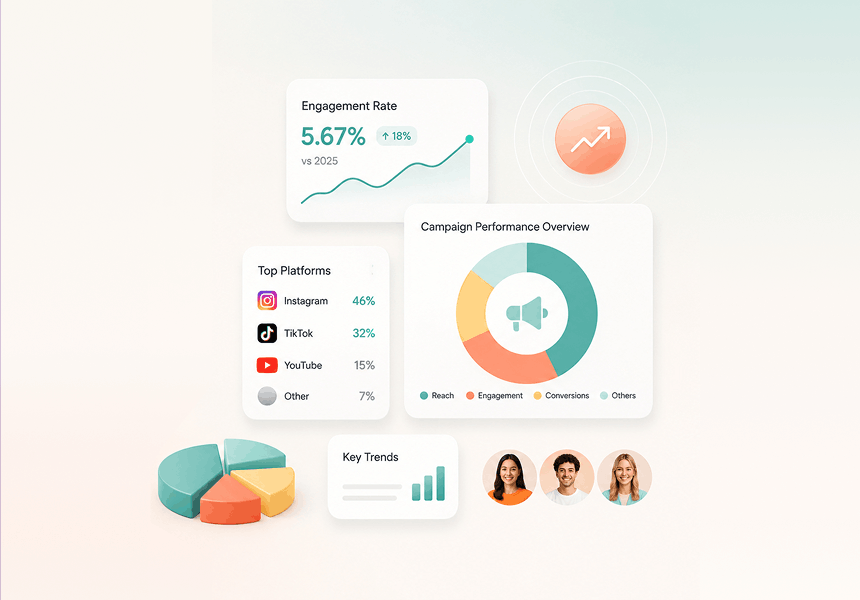
Comparing all the categories of influencers in terms of engagement rates, the research revealed that the micro influencers can attract much more engagement.
That means:
- More Likes
- More Comments
- More Shares
- More Saves
- More Meaningful Conversations
That’s more worthwhile than to put a product before a large number of people.
Micro Influencers vs Macro Influencers
Many businesses think that the bigger the better. That’s not necessarily true.
Here’s a simple comparison:
| Type | Followers |
| Nano Influencer | 1,000 – 10,000 |
| Micro Influencer | 10,000 – 100,000 |
| Macro Influencer | 100,000 – 1 Million |
| Mega Influencer | 1 Million+ |
The biggest difference isn’t follower count. It’s audience connection.
Micro influencers are more likely to leave comments, DMs, stories and live streams for their followers.
That promotes better relationships. Better relationships can result in better buying decisions.
The Biggest Benefits of Micro Influencer Marketing
Let’s discuss why this is a strategy that a lot of brands are investing in.
Higher Engagement Rates
Micro influencer marketing has a great benefit in terms of engagement.
According to HubSpot research, micro influencers tend to engage more with their followers than larger creators when it comes to engagement.
Individuals will be at greater risk of:
- Trust Their Recommendations
- Ask Questions
- Leave Comments
- Share Posts
- Take Action
That engagement creates stronger campaign performance.
Better Audience Targeting
The niche of micro influencers is mostly exclusive.
This means that their audiences are already interested in some topics.
For example:
A fitness micro influencer attracts fitness enthusiasts.
A gaming micro influencer attracts gamers.
A beauty micro influencer attracts beauty consumers.
This allows targeting to be much more precise.
Rather than marketing to anyone, you’re promoting to people who already have an interest in your product type.
Lower Costs
Budget matters. In particular, for start-ups and small companies. A celebrity partnership may be costly, in the hundreds of thousands of dollars. In some instances, millions. Typically, micro influencers cost a lot less.
Many partnerships range from:
- Product Exchanges
- Affiliate Deals
- Small Sponsorships
- Fixed Campaign Fees
This means that brands can collaborate with more creators than they would be able to with just one influencer.
Greater Authenticity
The word authenticity is one of the most popular marketing terms currently.
But it matters.
The reason is that the content from micro influencer marketing is not as scripted as that from macro influencers, which makes them more authentic in the eyes of many consumers.
They often:
- Create Their Own Content
- Write Their Own Captions
- Respond To Followers Directly
- Share Real Experiences
This authenticity contributes to the authenticity of a campaign.
Real Brands Using Micro Influencer Marketing Successfully
The best way to comprehend this method is to take a look at brands that are already working well with this strategy.
Mejuri
Mejuri, often works with Micro-influencers in different areas and activities.
One example highlighted by HubSpot featured chef Tara Thomas showcasing Mejuri products while working in her natural environment.
Why did it work? Because it felt real. The content wasn’t overly polished. It simply showed someone genuinely using the product.
LaCroix
LaCroix has relied on creator partnerships as a huge way to develop its social footprint.
The brand also doesn’t always stick to pop stars; it also collaborates with smaller creators who have ties to its colorful and energetic brand.
This ensures the brand remains authentic while it’s connecting with highly engaged communities.
ASOS
ASOS has always been a brand that has been keen on engaging creators.
The company collaborates with the influencers that align with their brand image and style.
ASOS even relaunched its Insider program featuring employees acting as creators and brand ambassadors.
It’s a smart example of blending influencer content with company culture.
Samsung
Samsung frequently partners with creators in:
- Photography
- Travel
- Gaming
- Art
- Technology
Rather than concentrate on the features of a product, Samsung frequently demonstrates how the product can be used by people in real situations.
With that story-telling method, the products seem to be more relatable.
How to Find Micro Influencers
Sometimes more crucial than the campaign itself is the choice of the right creator. Here are some proven methods.
Use a Micro Influencer Marketing Platform
A micro influencer platform can simplify the discovery process.
Popular platforms include:
- Traackr
- Sprout Social Influencer Marketing
- Upfluence
- Aspire
- CreatorIQ
These tools allow brands to narrow down creators by the following criteria:
- Follower Count
- Engagement Rate
- Audience Demographics
- Industry
- Location
This saves a lot of time.
Search Social Media Directly
Instagram, TikTok, LinkedIn, and YouTube can all be used for influencer discovery.
Try searching:
- Industry Keywords
- Niche Hashtags
- Competitor Mentions
- Brand Tags
Relevant hashtags can be a great way for many businesses to find great creators.
Monitor Existing Customers
Often times your top influencers are already discussing your brand.
Look for:
- Customer Reviews
- Product Tags
- User-Generated Content
- Branded Hashtags
These creators may turn out to be great long-term partners, as they already know your products.
How to Work With Micro-Influencers
There are lots of businesses that can discover creators. Less is known about micro-influencers’ work. Some practical tips are provided.
Provide a Clear Brief
Keep it simple. The essential elements of a good influencer brief:
- Campaign Goals
- Key Messages
- Deliverables
- Deadlines
- Audience Information
Avoid overwhelming creators with excessive instructions.
Allow Creative Freedom
A frequent error that people make is writing all of the details. Keep in mind: You worked with the influencer for his or her style.
Trust them to communicate with their audience naturally. Authenticity usually performs better than corporate messaging.
Review Content Before Publishing
Always review content before it goes live. This helps ensure:
- Brand Accuracy
- Message Consistency
- Legal Compliance
- Quality Standards
A quick review process protects both sides.
Build Long-Term Relationships
The best influencer marketing strategies focus on ongoing partnerships. One-off campaigns can work. But repeated exposure often delivers stronger results.
When creators genuinely like a brand, their audience notices. And trust grows over time.
Frequent Blunders to Avoid
Even good campaigns can fail when brands make avoidable mistakes. Some common issues include:
- Choosing Influencers Only Based On Follower Count
- Ignoring Engagement Rates
- Overcontrolling Content
- Failing To Track Results
- Partnering With Creators Outside Their Niche
- Treating Influencer Marketing As A One-Time Activity
The goal is relevance. Not just reach.
The Future of Micro Influencer Marketing
The creator economy continues to expand. But one trend is becoming increasingly clear. Consumers want authenticity. Not perfection.
This is why many marketers think that micro influencers will only get more significant in the coming few years.
With the rise of AI-generated content, good, old fashioned, human recommendations are more valuable than ever.
People trust people. That is not getting any different – anytime soon.
To Conclude
The key to micro influencer marketing is CONNECTION.
Micro influencers don’t necessarily have millions of followers. They usually have something of greater value, though. Trust.
Small creators have proven to be very effective with the right audience as seen by brands such as Samsung, ASOS, Mejuri and LaCroix.
As a small business, startup, ecommerce site or a Saas company, working with micro influencers can be a great way to increase awareness, credibility and engagement without having to invest in a large budget.
Also, if you wish to support your influencer marketing campaign by means of a powerful online marketing strategy, then the services of professional Digital Marketing Services from the Cognitive IT Solutions can help you to construct your online marketing strategies.
Frequently Asked Questions (FAQs)
What are the influencer marketing trends in 2026?
Some of the influencer marketing trends in 2026 include:
- Increased Use Of Micro Influencers
- AI-Powered Campaign Analytics
- Long-Term Brand Partnerships
- User-Generated Content (UGC)
- Creator-Led Communities
- Short-Form Video Content
Brands are focusing more on authenticity and engagement than just looking at the number of followers.
How to be a successful influencer in 2026?
Here are the key strategies you can use to be a successful influencer in 2026:
- Choose A Clear Niche
- Post Consistently
- Create Authentic Content
- Engage With Followers
- Learn Short-Form Video Skills
- Partner With Relevant Brands
- Focus On Building Trust Rather Than Chasing Followers
A loyal audience is often more valuable than a large audience.
Does influencer marketing really work in 2026?
Yes. The power of influencers in 2026 cannot be overstated, as individuals are inclined to follow the suggestions provided by influencers who they follow. There are many brands who utilise influencers to drive brand awareness, engagement, website traffic and sales.
What’s next with influencers in 2026?
Influencer marketing is headed in the direction of:
- Smaller Niche Creators
- AI-Assisted Content Creation
- Community Building
- Personalized Brand Collaborations
- More Transparent Sponsored Content
Brands are focused more and more on building authentic connections with customers, rather than just one-time campaigns.